Investing in Stocks for Beginners: 12 Smart Strategies to Build Wealth in 2026
Stock investing can look intimidating at first, but the basics are simpler than they seem. When you buy a stock, you are buying a small ownership stake in a business, and over time that stake can grow in value as the company grows.
Key takeaways
- Beginners do not need to pick perfect stocks to get started. A clear plan and steady contributions matter more.
- Risk comes with stock investing, but time, diversification, and consistency can make that risk easier to manage.
- The strongest beginner strategy is usually the one you can stick with through both good markets and bad ones.
What is investing in stocks?
Investing in stocks means buying shares of a publicly traded company. If the company grows and becomes more valuable, the value of your investment can rise too.
Stocks can help you build wealth in two ways: the share price may increase over time, and some companies also pay dividends, which are cash payments to shareholders.
- Stocks mean ownership in a company
- Returns can come from price growth and dividends
- The real advantage is long-term compounding, not quick wins
Why investing in stocks matters
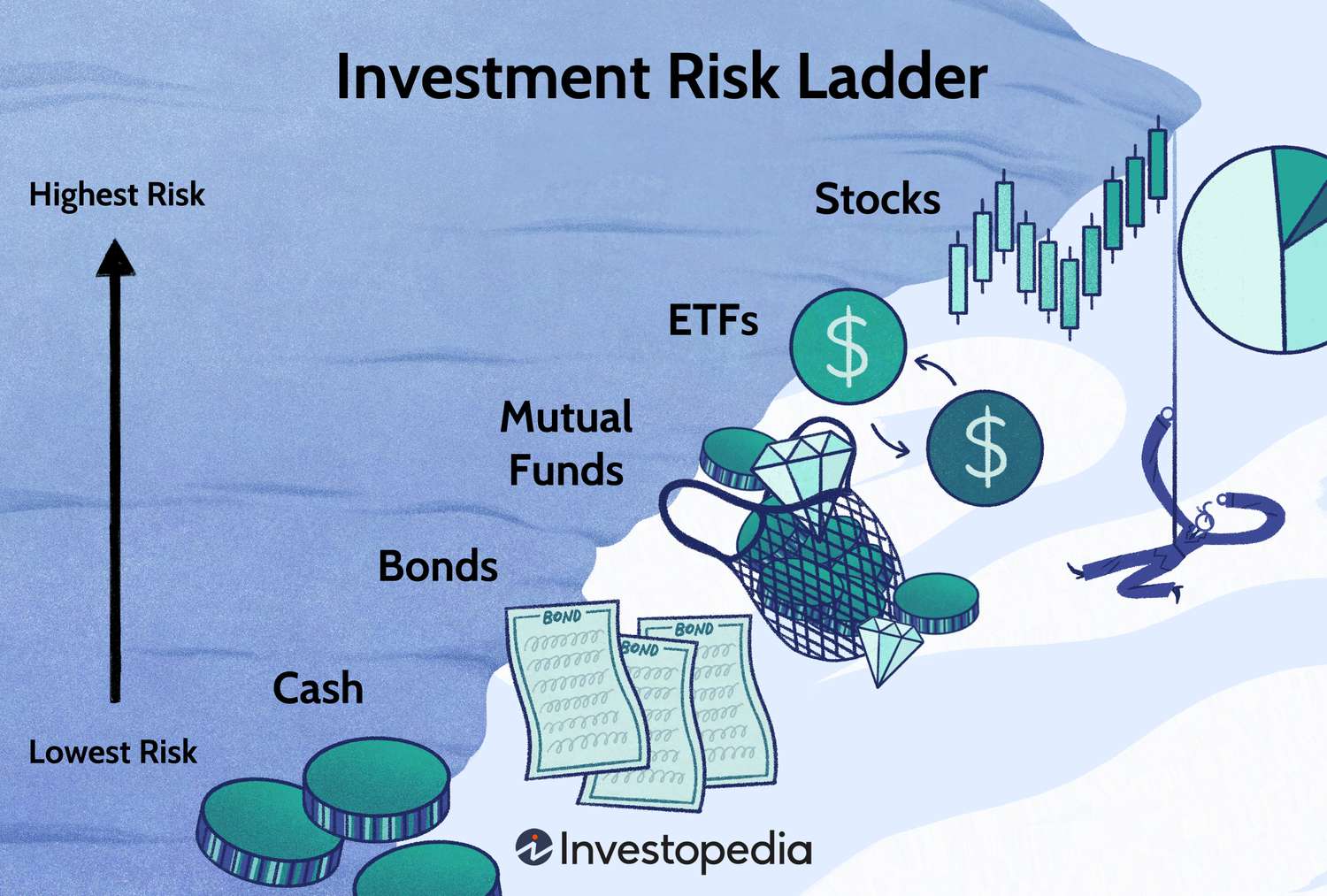
Stocks have historically been one of the strongest long-term tools for building wealth. They are not steady every month, but over longer periods they have often outpaced cash and inflation.
That matters because leaving all of your money in low-growth accounts can slowly weaken your purchasing power. Investing gives your money a chance to keep up and, ideally, move ahead.
- Long-term wealth building
- Better odds of outpacing inflation
- Potential income from dividend-paying companies
How the stock market works
The stock market runs on supply and demand. When more people want to buy a stock than sell it, the price usually rises. When more people want out than in, the price tends to fall.
That movement is normal. Prices change every day, and those short-term moves do not always reflect the long-term quality of a business.
- Bull market: prices are broadly rising
- Bear market: prices are broadly falling
- Volatility: normal price swings that happen along the way
How to start investing in stocks as a beginner
Start by deciding what the money is for. A retirement goal, a future house fund, and a short-term savings target should not all be invested the same way.
From there, open a brokerage account, choose a simple starting strategy, and begin with an amount you can afford to invest consistently. Even a small monthly contribution is enough to get moving.
- Set clear financial goals before choosing investments
- Use a brokerage that makes recurring investing easy
- Start small if that helps you stay consistent
12 smart stock investing strategies for beginners
Most beginners do better with a small number of simple rules than with a complicated playbook. The goal is not to be clever. The goal is to build habits that hold up over time.
These twelve strategies are practical because they reduce avoidable mistakes while keeping you invested long enough for compounding to matter.
- 1. Buy and hold strong businesses for the long term
- 2. Use dollar-cost averaging instead of waiting for a perfect entry
- 3. Start with index funds if picking stocks feels overwhelming
- 4. Focus on established companies before chasing riskier names
- 5. Reinvest dividends when you do not need the income
- 6. Diversify across more than one company or sector
- 7. Avoid emotional trading during sharp moves
- 8. Keep investing on a regular schedule
- 9. Learn basic analysis before buying individual stocks
- 10. Stay away from penny stocks you do not understand
- 11. Keep fees and trading costs low
- 12. Think in years, not days
Best types of stocks for beginners
Not every stock belongs in a beginner portfolio. In most cases, the best starting points are companies or funds that are easier to understand and less dependent on hype.
Blue-chip stocks, dividend stocks, broad index funds, and ETFs are often easier places to begin than highly speculative names.
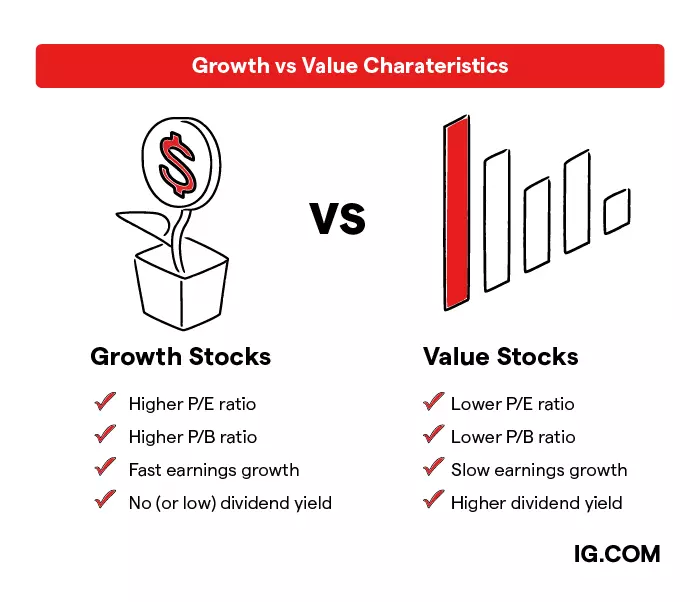
- Blue-chip stocks: established businesses with long operating histories
- Dividend stocks: companies that pay regular cash distributions
- Growth stocks: higher upside potential with higher volatility
- Index funds and ETFs: diversified exposure in one purchase
Common mistakes to avoid
One of the fastest ways to make investing feel harder than it needs to be is to treat every market move like an emergency. Panic selling, chasing hype, and buying without understanding the business usually lead to avoidable mistakes.
A calmer approach works better. Research what you own, diversify, and give the strategy time to work.
- Trying to time the market
- Investing without doing basic research
- Selling in panic during downturns
- Following hype instead of a plan
Tools that help you invest smarter
You do not need a complicated setup to become a better investor. A few practical tools can help you make steadier decisions and keep track of progress.
Useful examples include stock screeners, financial news platforms, and portfolio tracking tools that help you stay organized without encouraging constant trading.
- Stock screeners for narrowing down ideas
- Financial news platforms for context
- Portfolio tracking apps for monitoring positions and progress
One useful resource for further reading
If you want a straightforward outside reference on what stocks are and how they work, Investopedia has a helpful primer.
Read it here: https://www.investopedia.com/terms/s/stock.asp
Conclusion
Investing in stocks as a beginner does not have to feel overwhelming. The strongest results usually come from simple decisions repeated consistently over time.
Start early, stay consistent, and think long term. Those habits matter more than trying to outsmart the market in your first few months.
Frequently asked questions
How much money do I need to start investing in stocks?
Many brokerages allow fractional shares, so beginners can often start with as little as $50 and still begin building the habit.
Is stock investing risky?
Yes. Stock prices can fall, sometimes sharply, but a long time horizon and diversification can reduce the impact of that risk.
What are the safest stocks for beginners?
Broad index funds, ETFs, and some well-established blue-chip companies are usually more beginner-friendly than speculative small-cap stocks.
How do beginners pick stocks?
Start by looking for understandable businesses, solid finances, durable demand, and a reason to believe the company can keep growing over time.
Can I lose money in stocks?
Yes. Losses are possible, especially over short periods, which is why diversification and patience matter.
How long should I hold stocks?
In most cases, beginners benefit from thinking in years rather than weeks, because long holding periods give compounding more time to work.